Full LXD Case Study:
Audience

Responsibilities
Tools
AI-Tools
Language
Overview
Mid-level managers from a UK-based multinational organisation preparing for leadership assignments in Thailand.
ChatGPT
Perplexity
Dall-E 2
Narakeet TTS
Articulate Storyline 360
Miro
Audacity
Adobe Photoshop
Milanote
Needs Analysis
Research & Content Curation
SME Collaboration
Action Mapping
Complex Branching Scenario Design
Script & Storyboard
Visual Design & Audio production
E-Learning Development & Quality Assurance
English (UK)
This concept project showcases my end-to-end instructional design process through a scenario-based e-learning experience for mid-level managers preparing for assignments in Thailand. The project moves from needs analysis and research to action mapping, scenario design, prototyping, Storyline development, and quality assurance.
The final learning experience uses realistic workplace decisions, branching consequences, and cultural agility principles to help learners practise effective collaboration in a low-risk environment. Optional, on-demand cultural agility content is embedded throughout the course to support reflection and informed decision-making at key moments. The project demonstrates how I translate a business problem into a structured learning solution, combining research-based content, SME input, narrative design, and interactive development.
Cultural Leadership Training






The Client's Problem
Globalisation is driving companies to expand into international markets, often requiring expatriate managers to take on leadership roles abroad. These assignments are complex, and expatriate failure is common. When assignments fall short, projects may remain unfinished, leading to significant financial losses, reputational damage, and strained relationships with local partners. Ensuring expatriate success is therefore critical.
Thailand is an attractive growth market for many multinational organisations, but its business culture is complex and differs markedly from Western norms. Since establishing its Bangkok office, Evolvise has sent multiple managers on assignments to Thailand, yet many have struggled to achieve their objectives.
To address this challenge, Evolvise aims to equip its expatriate managers with a deeper understanding of Thai cultural values to enable more effective and sustainable collaboration in the local context.


The Solution
Cultural agility is a critical capability for international leadership, yet it is difficult to develop and highly individual. Outcomes depend on factors such as career stage, international experience, adaptability, resilience, and language skills, making standardised training ineffective [1,2].
Effective cross-cultural training must therefore be learner-centred and performance-oriented. Intercultural competence goes beyond knowledge transfer and requires the development of behaviours and attitudes through ongoing learning and experience [3]. Managers must be prepared not only to understand cultural differences, but to act effectively in unfamiliar and emotionally challenging situations.
To address this, self-paced e-learning was chosen for its scalability and ability to support branching scenarios and personalised feedback. Expatriate managers assigned to Thailand need opportunities to practise culturally appropriate decision-making in realistic, low-risk environments. In line with adult learning principles, scenario-based learning supports problem-solving and real-world application while reducing the risk of costly on-the-job errors [4]. This concept project represents the first module of a broader cultural agility programme.
The project followed an outcome-driven design approach, drawing selectively on ADDIE while aligning more closely with backward design [5] and action mapping [6]. Design decisions were further informed by human-centred design principles, behavioural insights, the AGES learning model [7], and social learning theory [8].
The final solution is a story-driven branching scenario, enhanced with optional support elements such as cultural context, decision-based feedback, mentor guidance, and job aids. Learners control the depth of support, ensuring relevance, efficiency, and adaptability to individual levels of cultural agility.

The Process
The target audience consists of mid-level managers from Evolvise’s UK headquarters assigned to Bangkok, Thailand. While this group is typically male and in their 40s, their prior exposure to Thailand, local business culture, and cultural agility skills varies widely. Some may have gained basic experience through travel or previous international assignments, while others may be entirely new to cross-cultural work.
Given this heterogeneous audience, the learning design prioritises optional, on-demand content. This approach ensures relevance and efficiency by allowing learners to access additional support as needed, rather than applying a one-size-fits-all content model.
1 Needs Analysis
1.1 Target Audience Profile
1.2 Research and Content Curation
I first identified and contacted a suitable subject matter expert for the topic. Prof. Jia Hui Lee (Assistant Professor of Anthropology) agreed to support this concept project and provided initial reference materials.
Using defined keywords, I conducted an extensive literature review across psychological, economic, and social science databases (e.g., PsycINFO, Web of Science, EconLit, Google Scholar). Sources included research articles, case studies, books, book chapters, blog posts, and materials recommended by the SME. All sources were pre-screened based on titles and abstracts, with relevant content extracted, synthesised, and summarised. The final summary was reviewed and approved by the SME and served as the foundation for the action map.
To support the action mapping process, I also interviewed a German manager with expatriate experience in Bangkok. This provided first-hand insights into common challenges, cultural misunderstandings, and potential consequences of missteps. Despite minor cultural differences between the UK and Germany, the interview proved highly valuable for shaping both the learning design and the project storyline.
1.3 Action Map
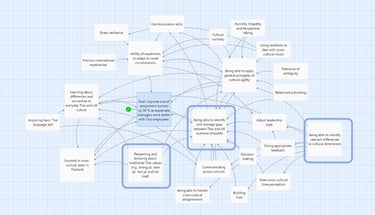
Given the complexity of the topic, I followed a two-step approach guided by Cathy Moore’s action mapping process [6]. First, I identified the key variables and actions contributing to the performance problem (Problem: expatriate managers frequently fail to meet assignment objectives; Action Map 1). Based on the literature review, a manager’s ability to work effectively with Thai employees emerged as the most critical capability and therefore defined the overarching learning objective.
Next, I defined a measurable performance goal for the learning experience (Goal: increase assignment success by 30% through improved collaboration with Thai employees; Action Map 2). Together with the SME, I identified observable behaviours that managers would need to demonstrate—or avoid—to achieve this goal. I then analysed the relationships between these behaviours and ranked them according to their impact on the business outcome.
This process resulted in three high-priority behaviours, which became the core focus of the learning experience and guided the design decisions. These behaviours are highlighted in Action Map 2. Both action maps were created using Twine.
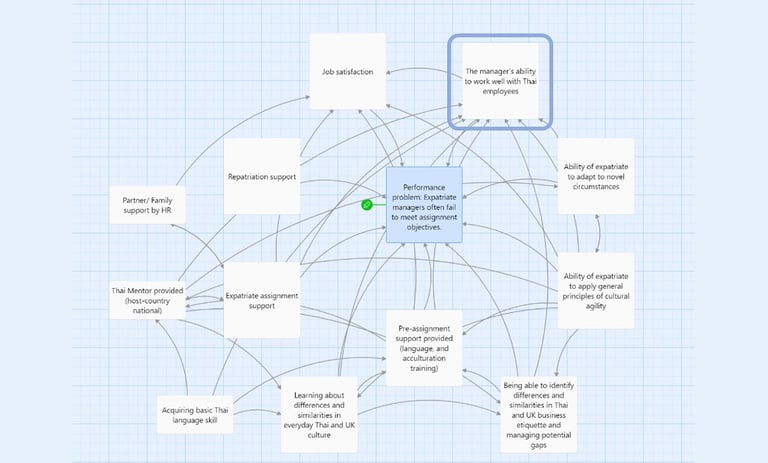
Action Map 1
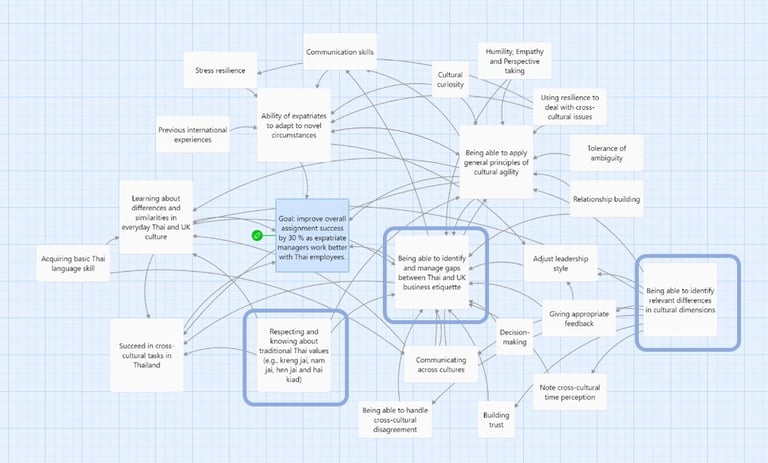
Action Map 2
1.4 Will Training Help?
Training is not always the appropriate solution, as organisational or motivational factors may need to be addressed first. Training is most effective when performance gaps are driven by missing skills or knowledge. Cultural agility, however, is a complex, multi-dimensional capability [1]. It requires not only awareness of cultural differences, but also the ability to manage personal traits such as cultural curiosity, resilience, and tolerance, alongside a working knowledge of local business etiquette.
The action mapping process showed that knowledge of cultural differences alone, while easily supported through job aids, is insufficient. Managers must be able to apply this knowledge appropriately, recognise culturally sensitive situations, and judge when cultural adaptation is required versus when organisational or project priorities must take precedence. Research from health professions education and behavioural science consistently shows that knowledge alone rarely leads to behaviour change [9,10]. This gap between intention and action (the intention–action gap) explains why increased knowledge does not reliably translate into improved performance [9].
To address this, the concept project was designed as the starting point of a broader cultural agility programme, combining branching scenarios, quizzes, discussion opportunities, and a final assignment. Branching scenarios were selected as the core method, as they allow learners to practise recognising subtle cues, shifting perspective, and making decisions in complex social situations.
While a blended approach including face-to-face training was considered, it was neither cost-effective nor feasible given geographically distributed learners and varying assignment timelines. Self-paced e-learning, complemented by discussion opportunities, emerged as the most scalable, flexible, and business-aligned solution.
2 Design Process
2.1 Design Decisions Influenced by Adult Learning Theory
The design of this e-learning project is grounded in adult learning principles, primarily:
Malcolm Knowles’ theory of andragogy,
AGES learning model,
Social learning theory.
Elements of behavioural, cognitive, and constructivist learning theories also informed the design. The strongest influence came from the AGES model and social learning principles, as they directly support behaviour change in real-world contexts.
The AGES learning model, developed by the NeuroLeadership Institute and grounded in neuroscience research, highlights four factors that drive durable adult learning: Attention, Generation, Emotion, and Spacing [7,11]. These principles guided key design decisions throughout the project.
To support attention, the learning experience was designed around short, focused modules with realistic, relevant scenarios that clearly connect learning content to the learner’s role. The core scenario is limited to a maximum of 20 minutes, with optional extensions and encouraged breaks to reduce cognitive overload.
Generation is supported by allowing learners to actively apply optional cultural insights—such as job aids, contextual explanations, and mentor guidance—when solving realistic scenarios. This approach enables learners to draw on prior experience, make personal connections, and apply knowledge rather than passively consume content.
To manage emotion, the scenario uses a relatable, likeable main character and optional support resources to create a psychologically safe learning environment. This balances engagement with reduced performance anxiety, supporting motivation and reflection rather than stress.
Finally, spacing is addressed by designing the scenario as the first module in a broader, modular learning journey. Within the scenario itself, learners can skip or revisit sections, encouraging return visits and reinforcing learning over time. Nudging techniques and learner control further reduce cognitive load while supporting sustained engagement.
Social learning theory [8] was another key influence on the design. Observing the actions and consequences of others is particularly effective for learning workplace behaviour. Presented from a third-person perspective, the scenario allows learners to observe the main character’s decisions, mistakes, and outcomes. This enables learners to gain insights through observation and reflection, supporting behaviour change without the risk of real-world consequences.

2.2 Design of Scenario Characters
Main Character
I chose a third-person perspective rather than addressing the learner directly, allowing the main character’s thoughts and emotions to be externalised. Given the complexity of cultural agility and the varying experience levels of learners, this approach helps reduce resistance by allowing the character—not the learner—to make mistakes, while still supporting learning through observation and consequences, in line with social learning principles.
The main character, Ian, is a white male manager in his 40s, reflecting the typical profile of mid-level managers in UK-based organisations and aligning closely with the target audience. This choice was made to maximise relevance and identification. In a real client setting, character design would be adapted to organisational needs and could include alternative protagonists, such as a female manager, to address gender-related dynamics in cross-cultural contexts. The overarching goal was to create a relatable, likeable character that encourages engagement and motivation to see the character succeed.


Mentor Character
Main scenario character: Ian from London.
Throughout the learning experience, learners can access a mentor character via a dedicated button. Rather than providing correct answers, the mentor offers guidance to support reflection and decision-making.
To ensure cultural authenticity, I chose a Thai monk as the mentor figure. Thai culture is strongly influenced by Buddhism, with over 95% of the population practising Theravada Buddhism [12], and informal “monk chats” with visitors are common. This makes the role of a monk as an advisor both plausible and culturally grounded. To avoid misrepresentation or offence, this design choice was validated with both the subject matter expert and an interviewee with lived experience in Thailand.
To create a credible narrative link, I introduced a secondary character, Emily, who has a business relationship with the main character, Ian, and recommends the monk as a trusted advisor.
I used ChatGPT and Perplexity to research and discuss plausible Thai names to ensure cultural authenticity and appropriateness within the learning scenario.


Mentor character. The Thai Monk Phra Ajahn Jitdhammo.
2.3 Design of Scenario Setting and Background Story
A fictional global biopharmaceutical company, Evolvise, served as the client for this learning scenario. The company name was initially generated using Namelix and then refined and researched with Perplexity to ensure originality and avoid unintended meanings in other languages. Evolvise’s headquarters were placed in London, UK, with operations in Thailand.
The scenario introduces Ian, a manager assigned to oversee the launch of a new pharmaceutical product in Thailand. His role requires relocation to Evolvise’s Bangkok office and close collaboration with local staff. The narrative establishes Ian as new to Thai culture and motivated to succeed, positioning the assignment as an important career opportunity.
I also designed the Evolvise logo using Adobe Express, which is used consistently throughout the scenario and supporting job aids.
The Evolvise Logo.
2.4 Branching Design
I initially considered using mini-scenarios but ultimately chose a complex branching scenario as the better fit. While mini-scenarios are effective for addressing multiple discrete problem-solving tasks, they offer limited depth when dealing with complex, evolving situations. A branching scenario allows early decisions to influence later outcomes, enabling learners to challenge assumptions, recover from mistakes, and navigate ambiguity [13].
The scenario takes place on Ian’s first day at the Bangkok office and centres on events leading up to and including his first team meeting. Before developing the branching structure (see 3. Development), potential mistakes and consequences identified during the research phase were prioritised based on their relevance to the core learning objective: improving working relationships with Thai staff.
To keep the scenario manageable while preserving meaningful choice, I implemented a branch-and-bottleneck structure rather than a traditional time-cave model [14]. The design includes three key bottlenecks, allowing multiple decision paths while ensuring all learners return to the same critical decision points.
2.5 Visual Design
Two mood boards were created using Milanote. One for the overall visual design of the learning experience (Mood board 1) and one for the Evolvise brand, including the Evolvise logo (Mood board 2). Both mood boards served as style guides for the learning experience and job aid respectively.
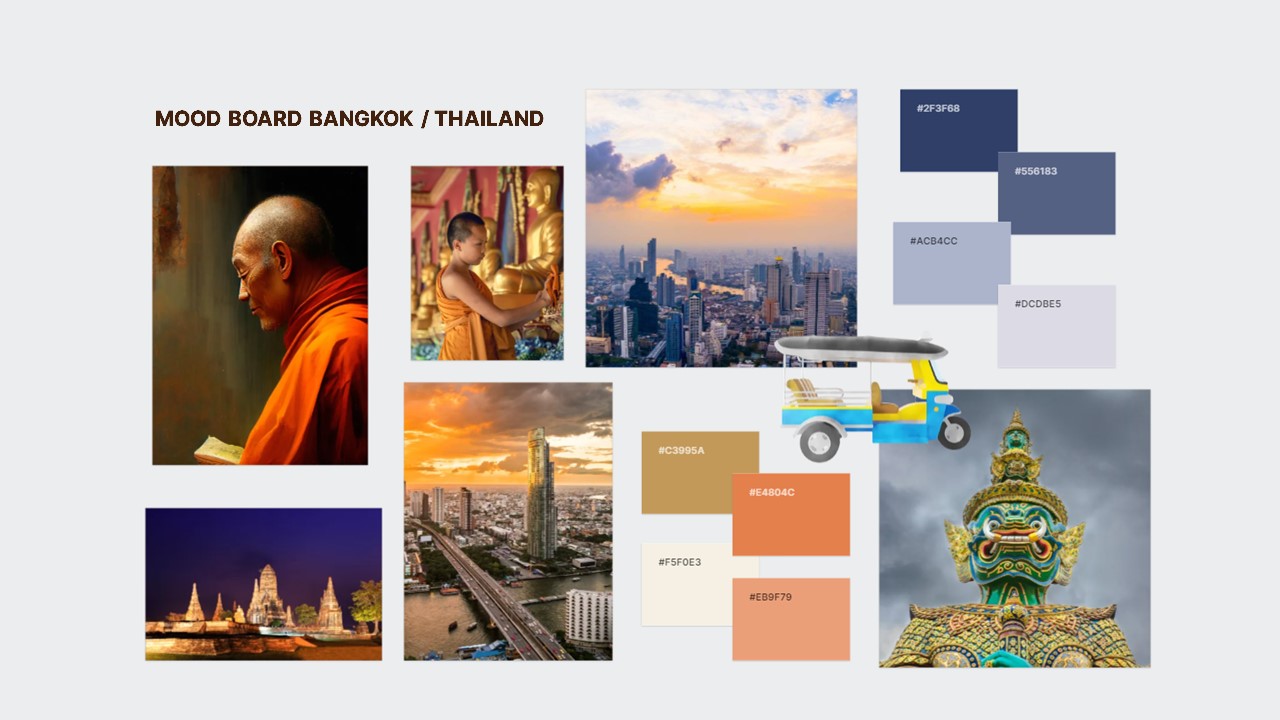
Mood Board 1 (Learning Experience).
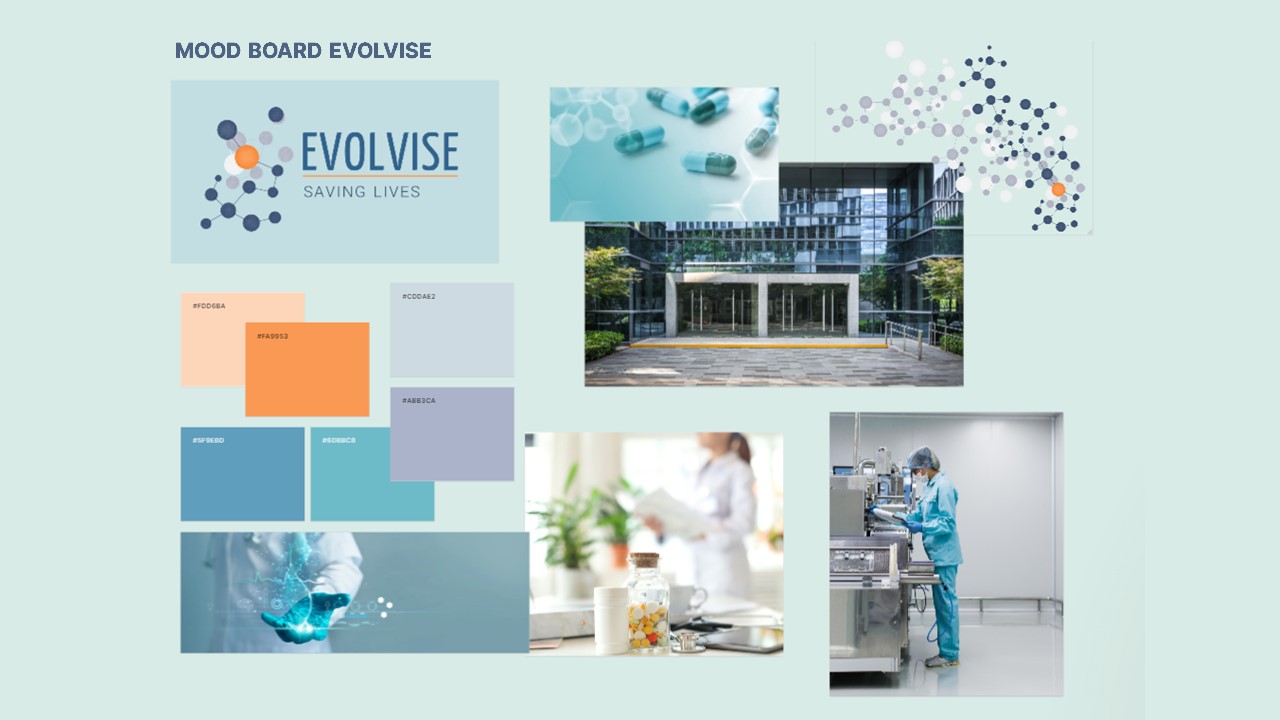
Mood Board 2 (Biopharmaceutical company Evolvise).
I then created visual mockups of each slide type and icon in Microsoft PowerPoint. After several iterations, the final versions were imported into Articulate Storyline 360.
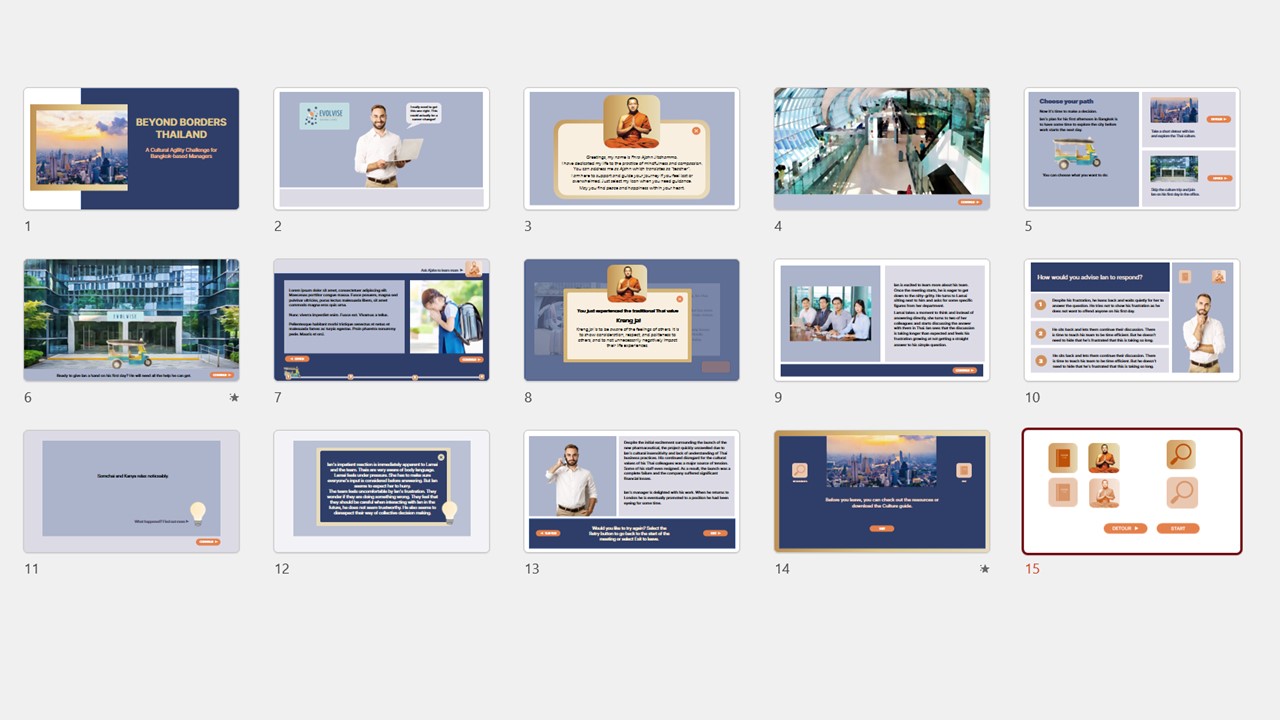
Visual mockups of the different slide-types, the icons and button design
Audio-visual (AV) learning combines visual and auditory input to support comprehension, retention, and transfer of learning [15]. In this project, narration is used during the introduction and the three alternative endings, paired with on-screen text to enhance accessibility and reinforce key messages. For the core scenarios and cultural detours, narration was intentionally omitted to allow learners to read at their own pace, reflect, or take notes, supporting deeper comprehension. To further increase immersion and realism, selected Thai sound effects are integrated throughout the scenario.
2.6 Sound Design
Thai music used as intro for the learning experience.
3.1 Job Aid
Throughout the experience, learners have access to a downloadable job aid, introduced during the opening section. This “culture guide” provides the essential information needed to support decision-making during the scenario. Given the complexity of cultural topics and the potential business impact of cultural missteps, such as project delays or employee turnover, a job aid was considered a critical support element [6].
The job aid remains available for download at the end of the module, enabling learners to reuse it as a practical reference and continue learning beyond the experience.
3 Development Process
The development process followed an agile approach, with multiple iterations across content, functionality, visual design, and audio elements to continuously refine the learning experience.
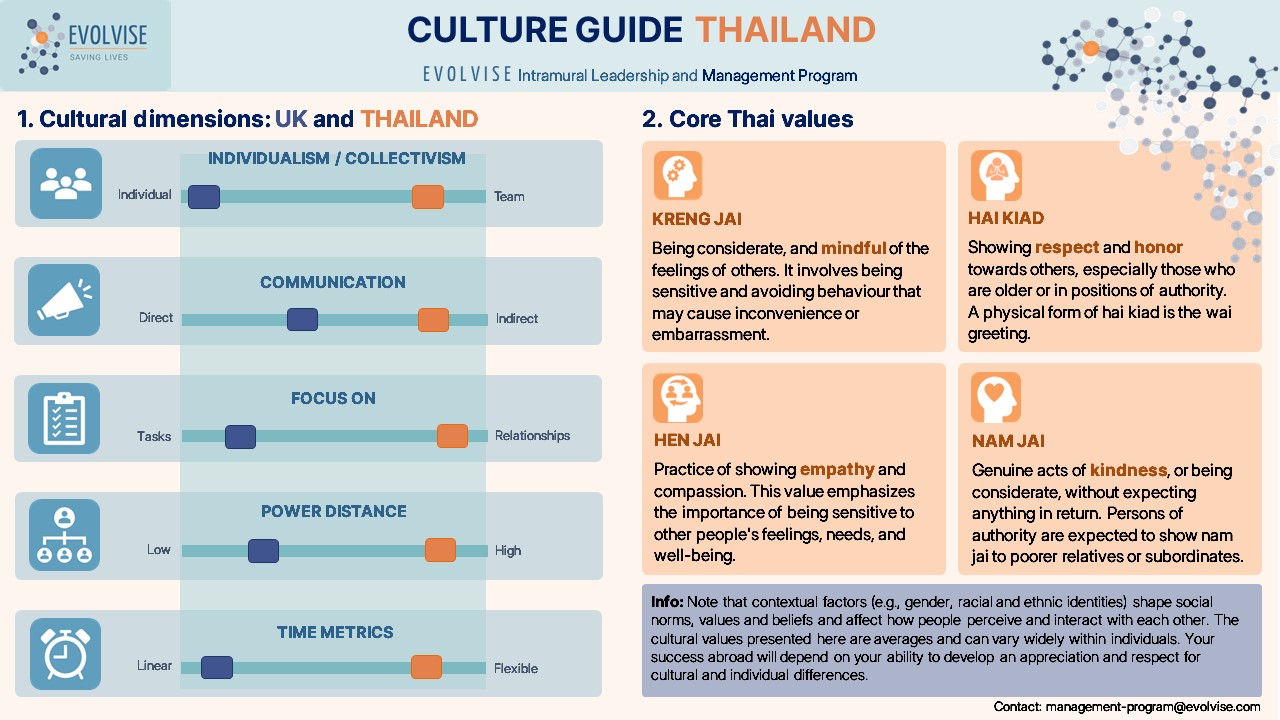
Job aid that the learner can access throughout the learning experience.
3.2 Script, Storyboard and Branching
I developed an initial script which was then reviewed by the SME.
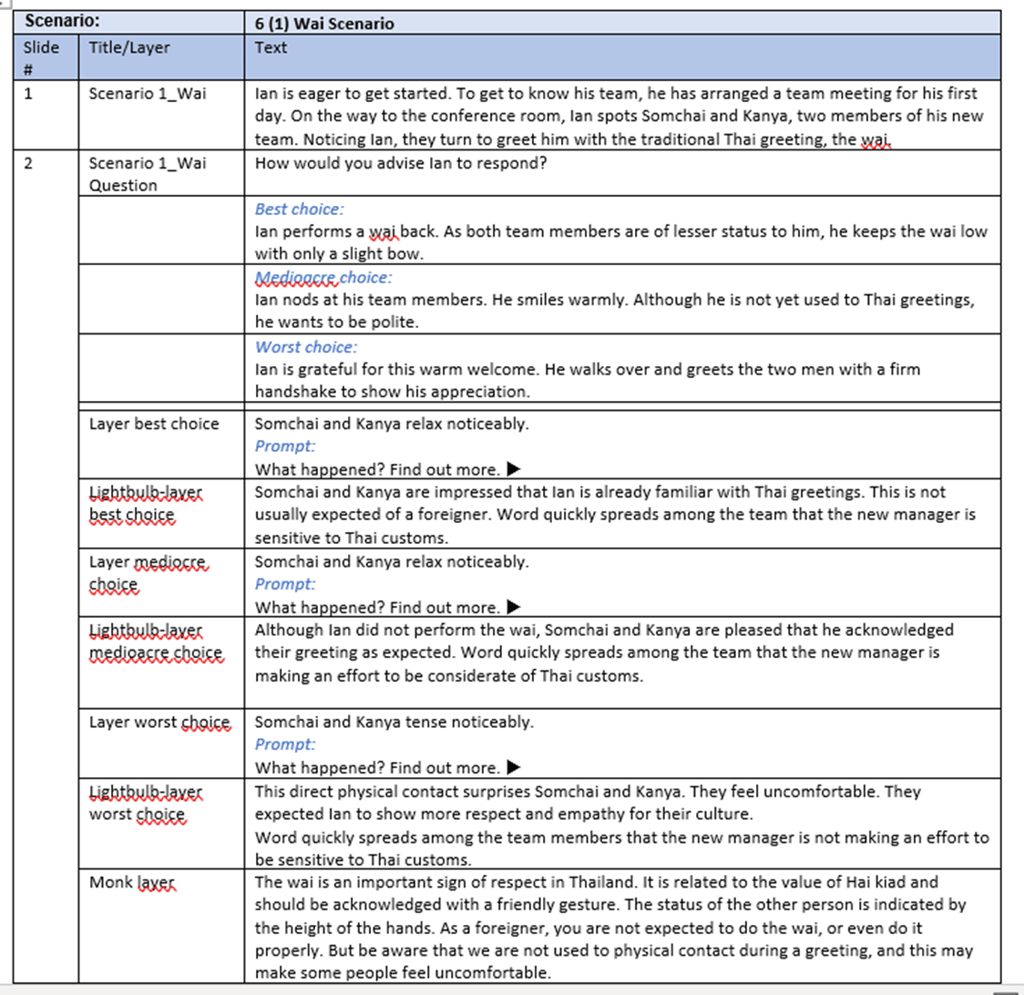
Sample excerpt from the script.
After incorporating the SME’s feedback, I mapped the branching structure in Miro. I first designed the ideal learning path, which included four key decision points (three bottlenecks). I then added alternative branches and short detours. The paths intersect at multiple points, allowing learners to practise recovering from mistakes. As a result, suboptimal choices do not automatically lead to failure, but instead create opportunities for reflection and course correction.
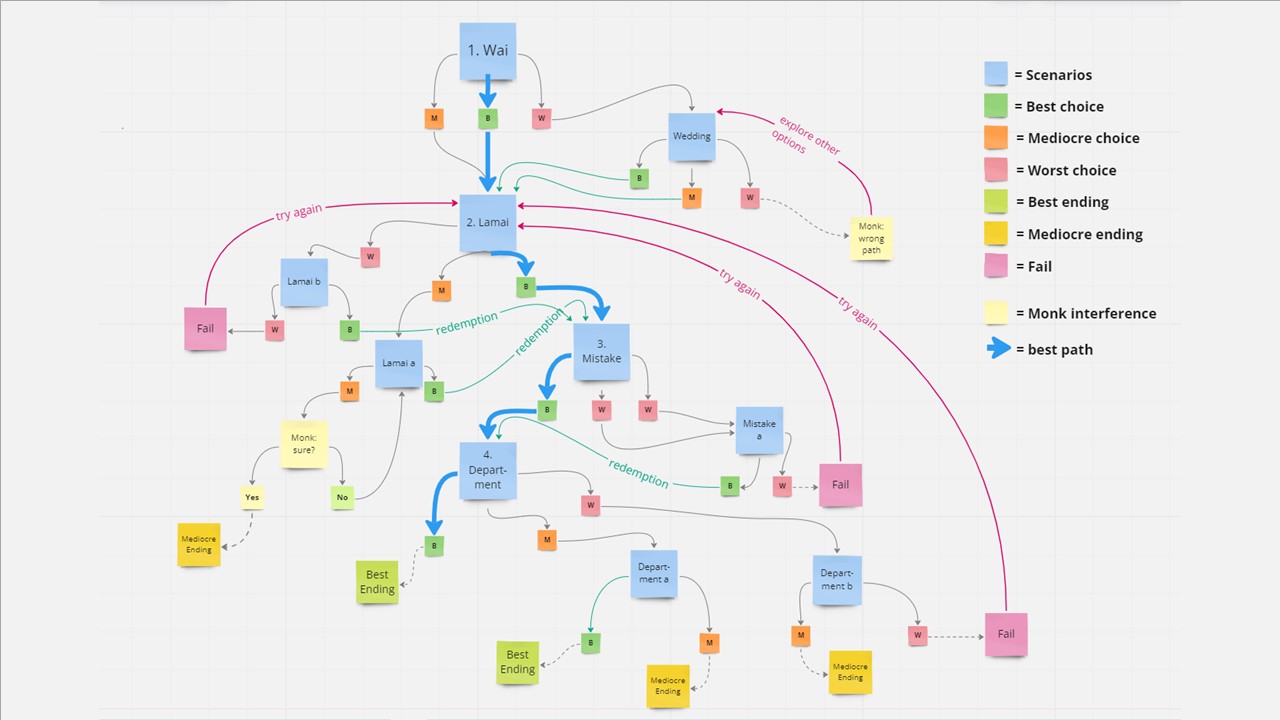
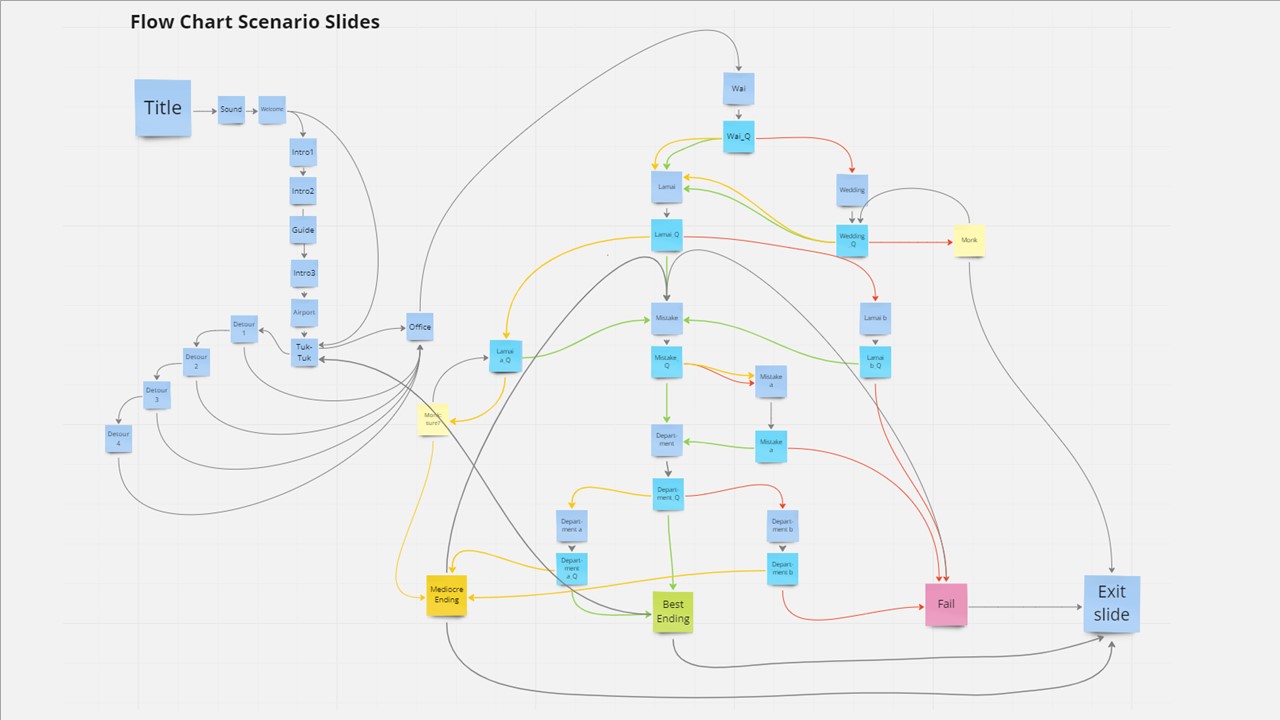
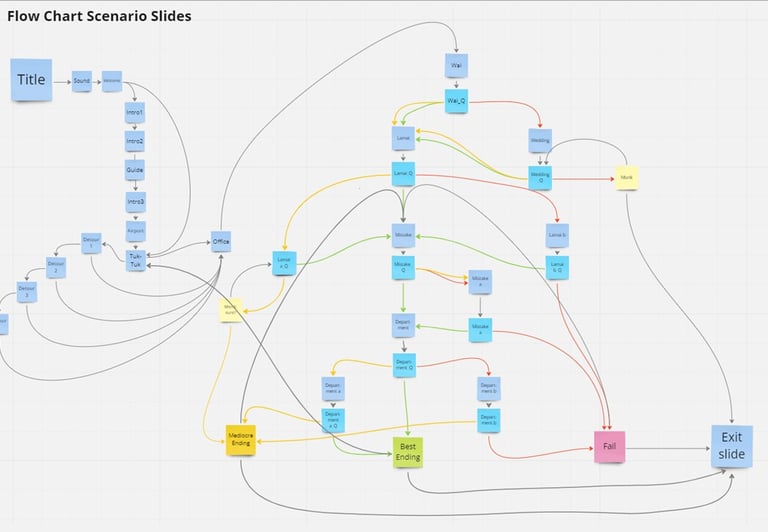
Branching structure for the e-learning scenario.
Overview of all scenario slides and their connections.
Next, I developed a text-based storyboard. The slide flow was visualised using Miro in parallel with the storyboard development.
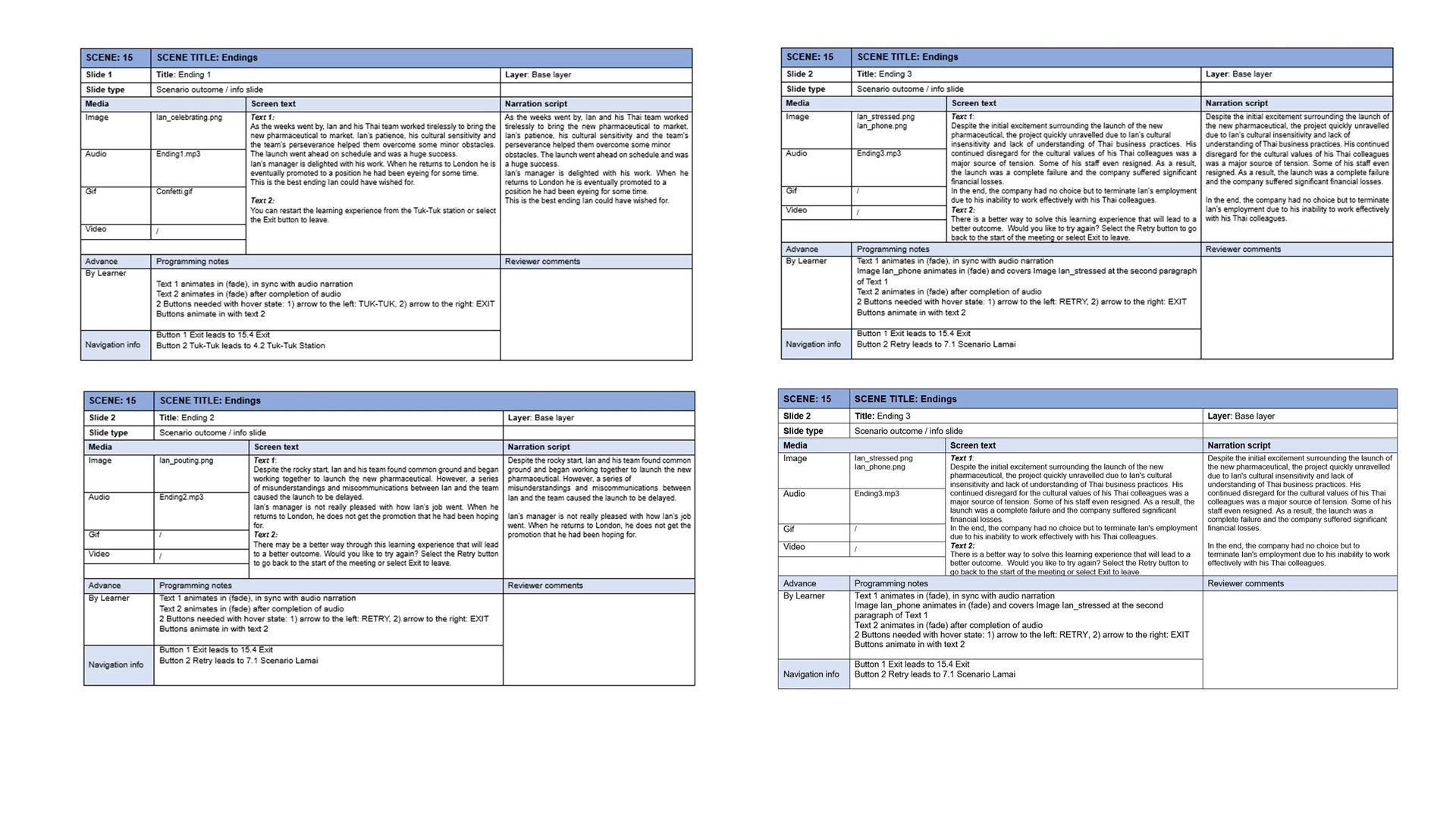
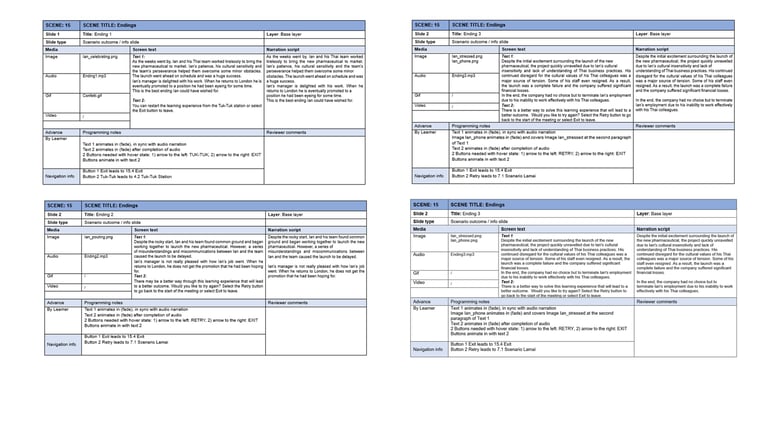
Sample excerpt from the storyboard.
3.3 Interactive Prototype and Full Development
After completing the storyboard, I developed a functional prototype in Articulate Storyline 360. The prototype was tested with a focus group of learners (n = 10) who had experience working or living abroad and was also reviewed by the SME. All feedback and revision suggestions were systematically analysed and incorporated into the learning experience.
The revised version, including a more refined visual and interaction design, was then presented again to the same learner group. The final iteration was reviewed by the SME for approval. After the last round of revisions, I conducted comprehensive quality assurance testing before publishing the final version.
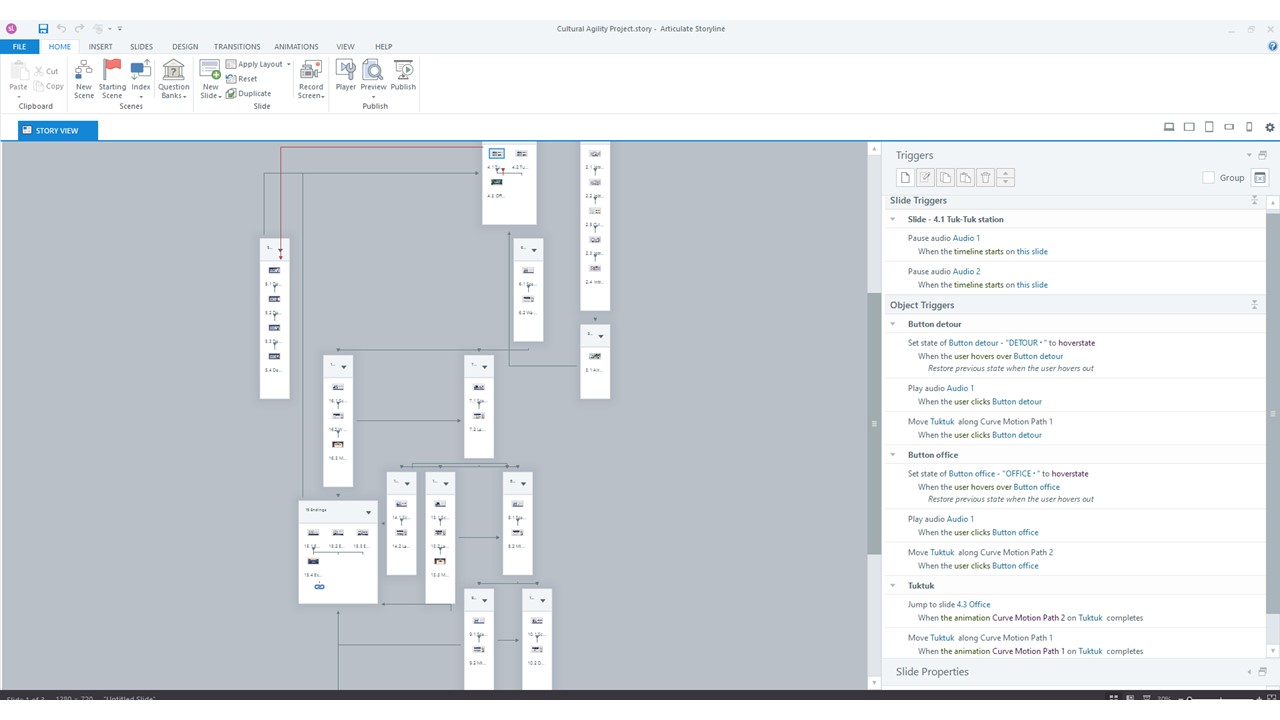
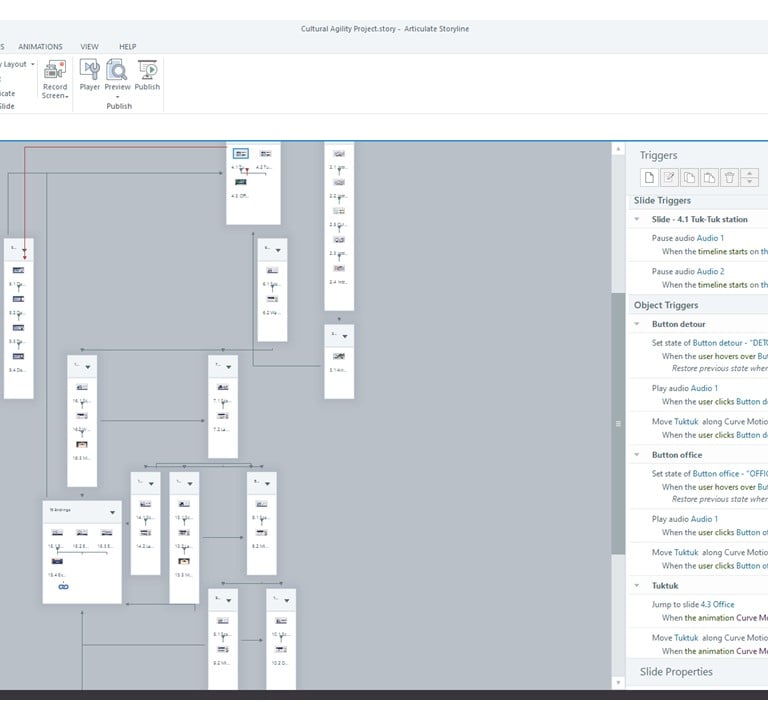
Story view of the entire project in Articulate Storyline 360.
References
Caligiuri, P. and D. Caprar, Becoming culturally agile: Effectively varying contextual responses through international experience and cross-cultural competencies. The International Journal of Human Resource Management, 2022: p. 1-22.
Larios, A., Cultural Agility: Are You in Need of Developing Cross-Cultural Abilities for Your Executives? PM World Journal, 2021. X.
Caligiuri, P., et al., Assessing cross-cultural performance: beyond just “being there”, revisited. International Journal of Cross Cultural Management, 2022. 22(3): p. 413-431.
Knowles, M., The Modern Practice of Adult Education: From Pedagogy to Andragogy. 1970: Cambridge Book Company.
Wiggins, G. and J. McTighe, Understanding by design. 2nd ed ed., Alexandria, VA: Association for Supervision and Curriculum Development ASCD.
Moore, C., Map it: The Hands-on Guide to Strategic Training Design. 2017: Montesa Press.
Davachi, L., et al., Learning that lasts through AGES. NeuroLeadership Journal, 2010. 3.
Bandura, A., Social Learning Theory. 1971: General Learning Press.
Conner, M. and P. Norman, Understanding the intention-behavior gap: The role of intention strength. Frontiers in Psychology, 2022. 13.
Kennedy, T., et al., Exploring the gap between knowledge and behavior: a qualitative study of clinician action following an educational intervention. Acad Med, 2004. 79(5): p. 386-93.